
"19th century coffee"
400 article(s) found

High-quality coffee beans common sense Kenyan coffee raw beans
Coffee entered Kenya in the 19th century, when Ethiopian coffee drinks were imported into Kenya through southern Yemen. But it was not until the early 20th century that the bourbon was introduced by the St. Austin Mission. Kenyan coffee is mostly grown at an altitude of 1500 to 2100 meters and is harvested twice a year. To ensure that only ripe berries are picked, people must be in the forest

The Origin of Kenyan Coffee: Kenyan Coffee walks into Africa
It entered Kenya in the 19th century, when Ethiopian coffee drinks were imported into Kenya through southern Yemen. But it was not until the early 20th century that the bourbon was introduced by the St. Austen Mission (St.AustinMission). Kenyan coffee is mostly grown at an altitude of 1500m, 2100m, and is harvested twice a year. To ensure that only ripe berries are picked, people must be in the forest

The origin of the taste of Kenyan coffee
Kenyan coffee of origin Kenyan coffee entered Kenya in the 19th century, when Ethiopian coffee drinks were imported to Kenya through southern Yemen. But it was not until the early 20th century that the bourbon was introduced by the St. Austen Mission (St.AustinMission). Kenyan coffee is mostly grown at an altitude of 1500m, 2100m, and is harvested twice a year. To ensure that only mature

Origin of Kenya Coffee Bean
Kenyan coffee arrived in Kenya in the 19th century, when Ethiopian coffee drinks were imported to Kenya via South Yemen. But it wasn't until the early 20th century that bourbon coffee trees were grown by St. Austin Mission introduced. Kenya coffee is mostly grown at altitudes of 1500- 2100 meters and harvested twice a year. to ensure that only

The origin of Kenyan coffee beans
It entered Kenya in the 19th century, when Ethiopian coffee drinks were imported into Kenya through southern Yemen. But it was not until the early 20th century that the bourbon was introduced by the St. Austen Mission (St.AustinMission). Kenyan coffee is mostly grown at an altitude of 1500m, 2100m, and is harvested twice a year. To ensure that only ripe berries are picked, people must be in the forest

Coffee culture story The origin of German coffee
In 1721, Germany's first café was founded in Berlin. Cafes in Germany have just begun to flourish and are subject to many restrictions by local authorities. Therefore, compared with other countries, the development of German coffee is relatively single. It wasn't until the early 19th century that coffee became one of the best money-making tools available to Germans. Coffee growing in Latin and Central America in the mid-19th century

Turkish coffee shops promote the British democratic revolution
The medieval theory of divine kingship began to crumble in England in the seventeenth century, and after the Glorious Revolution the basis of government had shifted from kings as God's agents on earth to the hands of people bound together by social contracts. After experiencing this great historical turning point, it can be said that the creed of modern democratic society, that is, the will of heaven, was formed. Ren Min Tong

Is Kenya of Brazilian descent? The source of coffee cultivation in Kenya
Professional coffee knowledge exchange for more information about coffee beans, please follow the introduction of Kenyan Coffee in the front street of the coffee workshop (Wechat official account cafe_style). The original place of origin of Arabica coffee shop is north of Kenya, but it was not until the beginning of the 20th century that it began to engage in coffee cultivation. 19th century missionaries introduced Arabica coffee from Yemen, but did not plant a large number of species until 1893.

Introduction to the Regional Flavor treatment of Kenyan Coffee
It entered Kenya in the 19th century, when Ethiopian coffee drinks were imported into Kenya through southern Yemen. But it was not until the early 20th century that the bourbon was introduced by the St. Austen Mission (St.AustinMission). Kenyan coffee is mostly grown at an altitude of 1500m, 2100m, and is harvested twice a year. To ensure that only ripe berries are picked, people must be in the forest

Characteristics of Kenyan coffee beans Kenyan coffee beans from Kenyan coffee producing areas
It entered Kenya in the 19th century, when Ethiopian coffee drinks were imported into Kenya through southern Yemen. But it was not until the early 20th century that the bourbon was introduced by the St. Austen Mission (St.AustinMission). Kenyan coffee is mostly grown at an altitude of 1500m, 2100m, and is harvested twice a year. To ensure that only ripe berries are picked, people must be in the forest

The History of Fine Coffee Culture Coffee Culture in Germany
In 1721, the earliest coffee shop in Germany was born in Berlin. As soon as cafes became popular in Germany, they were restricted by the local authorities. Therefore, compared with other countries, the development of German coffee is relatively simple. It was not until the early 19th century that coffee became one of the best money-making tools at the disposal of Germans. The vigorous development of coffee cultivation in Latin America and Central America in the mid-19th century

An Introduction to Anaerobic Solarization Treatment of the Native Species of Summer Rose in La Delas Estate, Colombia
Coffee came to Colombia in the late 18th century through Christian priests among Spanish colonists. The first coffee was planted in the northern provinces of Santander and Boyaca, and gradually spread to various regions of the country as a cash crop, but it was not until the end of the 19th century that it really took full possession.
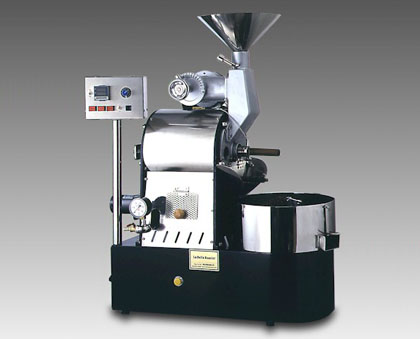
The evolution history of coffee roaster
As early as the 13th century, the Arabs invented to put coffee beans in a pot, stir-fry them with fire, grind them into powder, and then brew coffee. The early Arabs liked to bake the beans shallowly and boil them with spices such as cardamom. Later, this coffee stir-frying method spread to Syria, Turkey and Egypt, where it was used to stir-fry the coffee black, then grind it into powder and add it.
About the history of coffee roasters
The history of coffee roasters as early as the 13th century, the Arabs invented to put coffee beans in a pot, heat and stir-fry them, then grind them into powder, and then brew coffee. The early Arabs liked to bake the beans shallowly and boil them with spices such as cardamom. Later, this method of stir-frying coffee spread to Syria, Turkey and Egypt, where it was used to stir-fry coffee black.

Introduction to Berman Manor of the Origin and characteristics of Kenyan Coffee
Kenya is bordered to the north by Ethiopia, the origin of Arabica coffee trees, but it was not until the beginning of the 20th century that coffee cultivation began. In the 19th century, missionaries introduced Arabica trees from Yemen, but did not plant them in large quantities until 1893. Brazil's ancient bourbon coffee seeds were introduced to cultivate coffee on a large scale. In other words, the current Kenyan coffee is of Brazilian origin.

The history of coffee roaster basic knowledge of coffee
As early as the 13th century, the Arabs invented to put coffee beans in a pot, stir-fry them with fire, grind them into powder, and then brew coffee. The early Arabs liked to bake the beans shallowly and boil them with spices such as cardamom. Later, this coffee stir-frying method spread to Syria, Turkey and Egypt, where it was used to stir-fry the coffee black, then grind it into powder and add it.

Introduction to the brief history of Salvadoran coffee.
Professional coffee knowledge exchange more coffee bean information please follow the coffee workshop (Wechat official account cafe_style) A brief history of coffee in El Salvador: in the mid-19th century, El Salvador became independent from Nicaragua after the disintegration of the Union, and its cash crop was mainly locust blue, a crop used to make indigo dyes until the mid-19th century, when chemical dyes were invented.
Distribution characteristics of coffee in Nicaraguan producing areas introduction of Maraka Dula varieties
Nicaragua is located in central Central America. It is bounded by Honduras to the north, Costa Rica to the south, the Caribbean Sea to the east and the Pacific Ocean to the west. It is the largest country in Central America and the least populous country. Nicaragua grew coffee in the late 19th century, but it was not until the mid-19th century that the crop became an important export. The Nicaraguan government encourages people from Italy and Germany

Analysis of Nicaraguan Coffee Bean species High quality nourished by Nicaraguan Coffee Bean Volcano
Professional Coffee knowledge Exchange more information on coffee beans Please follow the coffee workshop (Wechat official account cafe_style) Front Street-Niagara Coffee is much more famous than coffee, coffee was grown in the late 19th century and it was not until the mid-19th century that this crop became an important export product. The Nicaraguan government encourages European immigrants from Italy and Germany to buy